Just another entry in the “collecting evidence for my future self” series. There’s no subheadings in this one so prepare yourself for some stream-of-consciousness.
Since moving to Perth five years ago I’ve seemingly been unable to keep myself away from further tertiary study for very long.
In 2020/2021 I enrolled in a BA and studied two units of philosophy at Macquarie University.
In 2022 I enrolled in a BSc and studied two units of chemistry as well as electives in philosophy and political science at The University of Western Australia.
In 2023 I studied individual units in game design and creative writing at Curtin University.
(In 2024 I finally gave it a rest and instead focused on getting married and buying a house!)
It is now the latter part of 2025, and I have begun a Graduate Certificate in Data Science. The data would suggest that I’ll abandon this after a couple units like I have all the other ones, but there are some key differences between this and my past endeavours.
The early 2020s were a period of deep and sometimes painful soul-searching for me (if you’ve read this blog you know all about that). I was seeking far and wide for passion, for meaning, for healing from past hurts, for a cause to devote myself to, and I was also seeking alternative career options. That’s a lot of pressure to put on any one aspect of life, and of course in hindsight nothing I could ever study would fill such a void.
I have learned some very key things and gotten some substantial answers that have primarily crystallised over the last 1-2 years (details in past blog posts). My Graduate Certificate (and potentially Graduate Diploma and/or Masters if I choose to progress) is not about that. My reasons for studying this are far more practical.
I’ve been doing software engineering for 10 years this year. I probably have at least 20 more to go. I don’t want to be doing the same thing I’m doing now for 20 more years. Data science sits very nicely in an intersection between my current work, and a new area of expertise to dive into. It can either amplify my existing career throughline or open sideways/diagonal transitions for me. It’s a relatively new field that still has plenty of things to discover within, it’s very practical to study alongside work, and it’s fast (only 1.5 years for the Masters). This is a rejuvenating career move, not anything else.
My prior study options were investigative and curious, and each of those areas have had different outcomes.
I do like reading about philosophy, but it’s something that I would like to be interested in more than I am actually interested in it. Reading philosophy forums online keeps that part of me satiated.
Game design and creative writing, well, I gave that a serious go for a solid year both with study and with writing and developing my own game. If my career takes me in the direction of game dev I’ll happily partake, but it’s not going to be the “side hustle” I imagined it as when I was in the throes of it two years ago. I channel this part of me into my TTRPG campaigns now, which require both game design and creative writing skills, come with a built-in appreciative audience (the friends you’re playing with), and can be worked on in a relatively low-effort, iterative/episodic manner. I do still have game ideas and story ideas every now and again, but being more familiar with the sheer amount of work that game dev requires leads me to burn through these creative drives in a different way.
And finally we come to chemistry. I adored chemistry when I was in high school. If there are alternate universes, there is a moment in my life that is undoubtedly a branching point. In late high school I went to a careers information event hosted by the school where you could speak to people from different careers to evaluate your own prospects and interests. I sat down with my chemistry teacher, Dr. Joyce, and told him how much I loved the subject.
He asked me, “Well, have you ever considered it as a career?”
Now, keep in mind, I had decided I was going to become a software engineer in about year 8. For a very large part of my adolescence I was absolutely certain I was going to become a game developer. So, in that moment, I mentally put away the question and told him of my existing plans.
What if I had properly considered the question? What if I hadn’t discarded it and actually thought about what I enjoyed doing, and where that could lead me? I’m convinced there’s an alternate universe where I give that proper consideration, and end up diving deeper into chemistry straight out of school.
This pivotal moment, I will be honest, is something I regret sometimes (not the outcome, because life has turned out pretty great, but the decision making process), but back then I was a heavily religious kid, and was used to fleeing from questions that made me uncomfortable or challenged my existing ideas. Also, I continue to firmly believe that as kids we’re forced to make life-spanning decisions far, far too early.
So I don’t live in that alternate universe. I live in this one. And chemistry keeps coming up. My 2022 studies in it gave me a taster, and I came out of that not wanting to continue, but that’s because I was looking at it from a career perspective. Chemistry is never going to be my career, but diving back into studying this year has made me miss it, and the feeling of understanding that comes with it.
I can just study it because I want to. For instance, I could do some sort of postgrad coursework degree that’s quicker than another undergrad and doesn’t waste my time with unrelated electives, and if I haven’t had enough by then, potentially go into research. The motivation would be to do a piece of research, make a contribution, and then return to my regular scheduled programming (wordplay!). Some people have kids, some start businesses, apparently my thing is studying. It would be something I do for my own fulfilment, without putting career pressure on it, and it would be for a limited period of time.
Of course, it is well known that I get excited about stuff and then fizzle out after a few months, so that’s why I’m writing this down now, so I can refer to it in a year or so when I’m done with data science study and compare my feelings then.
To conclude, I just looked it up and Dr. Joyce retired from teaching in 2016. I hope he’s doing well. Do people dedicate their theses? Maybe I’ll dedicate mine to him.
Well, here I am again: compelled to write, to express, to feel, after seeing a band I’ve listened to for years in the flesh.
I had the strange but incredible opportunity to see Unleash the Archers two days in a row – once in Adelaide and once in Perth. (They added a Perth show late, after I’d already booked everything for the Adelaide one.) They were amazing both times, but what set the second show apart was I managed to get into the very front row. There was no barrier between me and the stage, and the band was literally centimetres away the whole show. At any point I could have reached out and touched them.
When this happens and when the artist leans into it, you become part of the experience. We made eye contact, fist bumped, and looked at each other while we sang the words together. I would never have expected the difference this would make, how it elevated an already fantastic show into something so much more personal. I’m going to be riding this high for days. At least three times while I was recording a video on my phone, the singer Brittney Hayes noticed and sang to the camera. I’m not much of a celebrity person, but being noticed and acknowledged by someone whose talents I admire has me completely giddy.
It’s the most viscerally and strongly I’ve felt in months. A metal show is a unique place where you can absolutely let go: you can scream, flail your arms around, dance or jump, cry, whatever. It doesn’t matter what you look like or what you do because everyone else there is there for the same reason: the love of the music, and they won’t judge you.
This has been a difficult year in many ways. Planning a wedding is equal parts exciting and stressful, not to mention the aggressive saving we’ve been doing for it. My game development successes from last year have unfortunately not carried over, and I’ve had two different game attempts gutter out into indefinite hiatus, which has been incredibly discouraging and draining. I didn’t realise how much I’d settled into a numb, day-by-day malaise, mobbed by a thousand everyday irritations until this trip, though short, completely shocked me out of it all and reminded me that I am a person with dreams and likes and aspirations and that I can feel, not just think. That there exists a world outside of my apartment’s walls – I hadn’t realised how much my outlook had shrunk to the four rooms I live in and the screens I stare into for most of my life.
The trip I’ve just been on was packed with so many great experiences: seeing my best friends all together for the first time in months, seeing the new house that a pair of them have just bought, meeting the child that a different pair of them have just brought into the world, and examining the first results of the new hobby we’re all getting into. I want to continue to be present in their lives, to be a part of their journey and have them be a part of mine.
And of course the shows. For these musicians to journey across the world from Canada, and for this weird tour schedule change to allow our lives to intersect twice in two days is something I’ll forever be grateful for. Seeing an artist you admire live is the crown jewel in the listening journey. A rare experience, but one I will always treasure.
I need to do this more often.
I’ve consistently said that this blog is a lesson and a reminder from me to myself. Reading the past few entries has been humbling, because I’ve come to similar conclusions before, and yet this year I failed to learn from past lessons, and fell into the same struggle I’ve fallen into before, chasing the same immense and misguided goal of becoming a video game developer, when this is not what gives my life meaning.
Here’s what gives my life meaning:
My connections to the people I love,
Travel and seeing new places, particularly natural wonders,
Music – the “ordinary” listening experience to form the foundation, and live shows as the capstone,
Creating and storytelling, on my own but especially with others. Not just the result, but the process, the experience.
This is the accrual of things I’ve written in this blog before. It’s practically scientific. It’s time to learn from this.
In 6-9 months’ time when I get restless again and think that the solution is to upend my life and change my career, I need to reread this list and do the things on it. Go for a trip. Go see a show. Get in a mosh and feel myself into existence again. Go hug my friends.
Memory is so fallible.
In my Antioch youth group days, one particular talk that a member gave was about experiencing, and being present for things like music shows or other (usually) one-off experiences. She criticised the desire to want to record these things instead of just being present and letting yourself be immersed in the experience. It’s one of the only individual talks from my years in the group that has stuck with me all this time, and it’s a very valid point.
However, there is a flipside. Without a record, without a memory aid, even the most intense experience we have will eventually fade in our minds. We can’t stop this entirely, but we can help ourselves a lot by making and keeping a memento. That’s why I record at least a bit of every show I attend. I don’t overdo it, because yes, being present is the point of being there, but in 5 years’ time I can rewatch my video of Brittney Hayes looking me in the eyes as we sing Ghosts In The Mist, and I’ll definitely remember what that felt like better than if I had the memory and nothing else.
It’s also why I keep updating this blog, even if only once or twice a year. Part of it is that I just have the unsuppressable need to put these thoughts to the page. But the lessons that I’ve explicitly listed above only emerge after looking at what I’ve written over a timeframe of years.
In early 2023, I made the decision to begin writing and developing my own games. This is something I’ve wanted to do for many years, and life circumstances this year were finally right. The game industry remains competitive as always, and while attaining a job at a game studio remains a huge goal of mine, opportunities in Australia, and especially Western Australia, where I’m based, are rare.
Making my own games achieves three things:
It results in portfolio pieces that I can use to aid my future employment prospects;
It gives me practice at the actual nitty-gritty detail of game development, increasing my familiarity with the tools and processes involved, and my understanding of the obstacles unique to game dev; and most importantly,
It allows me the opportunity to express myself creatively, and bring the stories in my head to life on my own terms.
In 2023 I pursued three different aspects of game development: making and releasing my first game, studying game design at a tertiary level, and attending my first game developer conference, GCAP. The rest of this post will focus on what I learned from each of these endeavours.
Making and Releasing a Game
In the first half of the year, I was solely focused on making and releasing The Symbol, which is a text-based narrative game that came in at a word count of roughly 30,000 words. I spent February mostly ideating and getting the large-scale pieces of the story straight in my head, and then actual writing and implementation took just over 3 months, from March to July.
Development Constraints
3 months is a short development time for a game, and, well, The Symbol is a short game (it can easily be played in a single sitting). I made several decisions which let me successfully constrain development time, as I’m wary of overcommitting to ambitious projects that drag on for many months or even years.
The first such decision was making the game text-based. I’m a writer at heart, and I’m primarily interested in telling stories through games (more on this later). The text-based format allowed me to forgo any reliance on artists or other people to add visuals to the game. I could add all the visuals myself through the writing, and leverage the ultimate graphics engine: the player’s imagination. Making it text-based meant that “development” largely consisted of what I can already do and already love doing: writing.
The second constraint was more external: I enrolled in tertiary study of game design and creative writing that was due to start in July, and so I knew I had to get the game done before then, as I wasn’t going to have the time to manage both things at once. This deadline really helped motivate me towards the end of the project.
Thirdly, while this was less of a conscious decision and more of a happy coincidence, the story of The Symbol is one that has been kicking around in my head for years. The Symbol explores two key concepts: a suicidal god, and an inversion of the god-disciple relationship. This results in a highly interesting situation where you, as the disciple, hold power over the Symbol, who wishes to die, and the Symbol must become your supplicant in the attempt to get what it wants.
Having all of this key underlying material meant the ideation phase was very short, as most of the framework and key themes were there. This helped me accurately plan and stick to a timeline, as ideation can otherwise be very open-ended as the writer explores broadly until they find the driving factors behind the story.
The Twine Engine
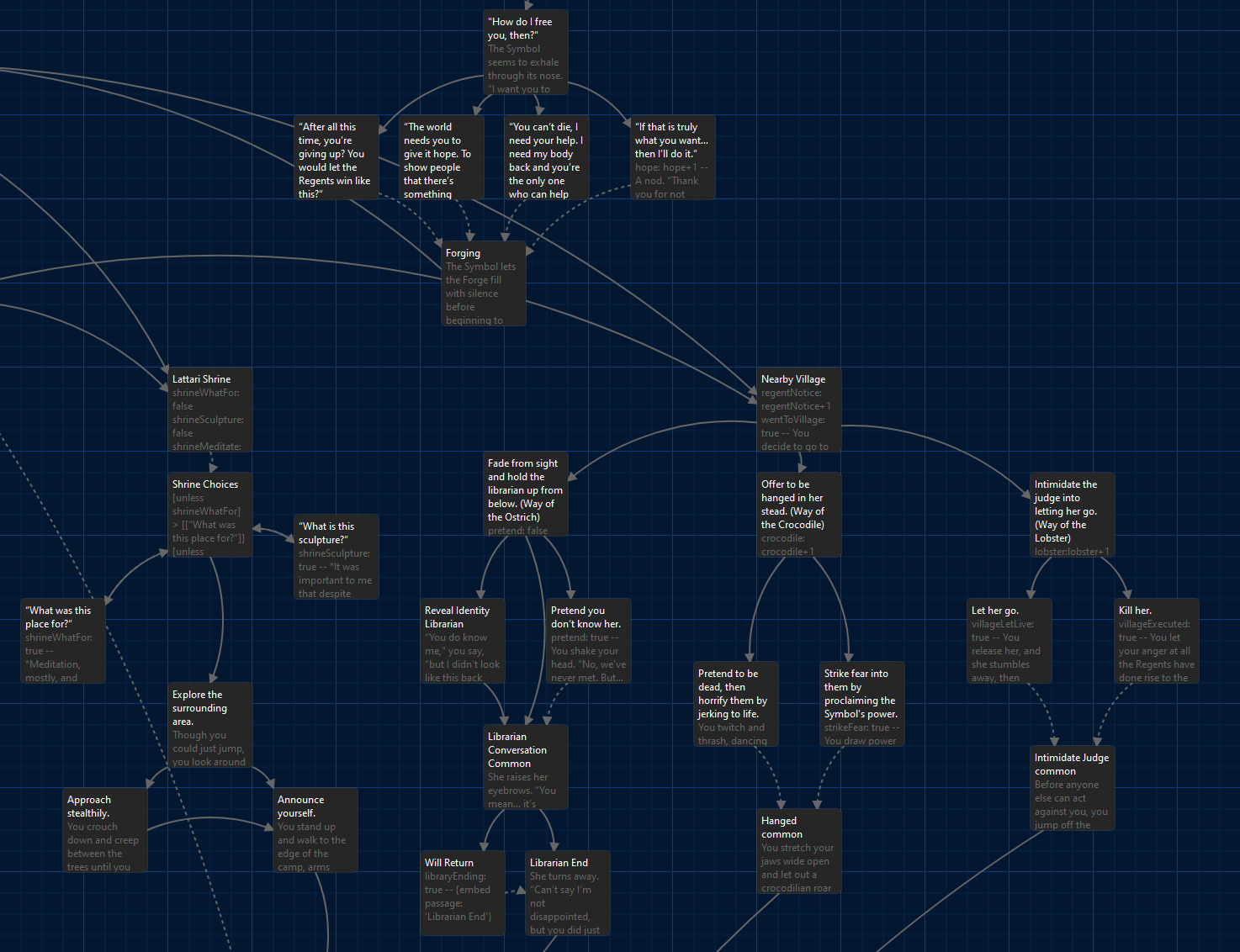
I used Twine as the engine for The Symbol, as it’s perfectly suited to the type of game I was making. I found the engine very simple to use, as it consists of making nodes of text (with an optional variables section) and linking them to each other. Here’s an example of what it looks like:
It’s worth noting that I actually wrote most of the game in a word processor, and then transferred the narrative into Twine once I had most of it together. This decision had pros and cons: writing in a word processor makes it far easier for me to get in the zone. In the Twine view, the actual text entry area is a small part on the side of the screen, and having to write the whole thing in that view would have been distracting and annoying.
The flipside of this decision was that after the fun “writing” phase was done, the “implementation” phase began where I spent a lot of time copypasting text into nodes, linking nodes together, and setting up variables to keep track of player decisions. The decision to write in a word processor meant these two phases were almost entirely separate, whereas if I’d written in Twine itself, they would have blurred together a bit more.
I’m not sure what I’ll do next time round yet, but I think writing in a word processor was the right way to go for my first time using Twine, as it prevented any implementation issues from derailing me from writing. There’s a good chance my next game won’t use Twine, so I may sidestep this conundrum entirely.
One last note on Twine: the node-based view in the screenshot above was intuitive, but became cumbersome as the number of nodes increased. Twine doesn’t offer a way to “condense” sections of nodes down, you just have to arrange them by clicking and dragging. Still, as a very lightweight engine, it did exactly what I needed it to. I kept the development effort minimal by not messing around with CSS or anything fancy, and just used the default settings. My software development experience came through in this project: I was very much striving for the smallest thing I could make that was still a game, and that primarily utilised my writing skills.
Interactivity and Branching
I learned first hand that compared to writing linear stories, even stories with a little bit of branching can quickly grow exponentially in terms of complexity. The Symbol is pretty low in terms of actual branching, but keeping track of player dialogue and interactions and ensuring that those were reflected going forward was more effort than I predicted, and I’m lucky that I kept the initial scope of the game small, otherwise I would have had to cut stuff once I approached my self-set deadline.
Overall, I finished The Symbol with a combination of relief and satisfaction. It felt like a strong step in the right direction, and it affirmed for me that just making the games I wanted to make was the surest way to achieve my game development goals.
By the way, if you’d like to play The Symbol, you can find it here. It plays in the browser, so no download required, and it’s free!
Studying Game Design at Uni
Practically the week after I finished The Symbol, the study period I was enrolled in started. I had enrolled in two individual units through Open Universities Australia, as I’ve learned from my uni explorations over the last few years that degrees take too long and at this point in time I learn far better by diving in and getting my hands dirty than by studying.
Nevertheless, I wanted to see what formally studying game design would yield, and unfortunately I was disappointed. The content was light-on and lacked rigour, and it felt more like a guided opportunity to develop game design documents and get feedback rather than actually learning the underlying rules of game design. I’ve learned far more about planning and executing projects through my software career, so it’s possible I’m not the target audience for an introductory game design unit. That said, I did learn a bit about the phases of game production, and about considerations that should go into designing a game.
I came out of that period of study in September wishing I’d spent those 3 months making another game instead! But, negative data is still data, and I know now that I’m not suited to the type of study that was offered in that unit.
Attending GCAP
In October, I attended Melbourne International Games Week, which began with the GCAP conference. Three days of attending talks and panels and meeting with new people left me exhausted, but it was a good insight into what goes on in the Australian game industry.
All the talks I attended were extremely good. I ended up following the Narrative talk track most of the time, to no one’s surprise. Highlights included Pacing in Narrative Games, a talk by Mads Mackenzie, the developer of Drăculești, and Lower Your Character Limit: Getting Bigger Laughs with Fewer Words, a talk on humour and comedy by Bones Draqul Hillier, a narrative designer at Mighty Kingdom that works on Star Trek: Lower Decks. These people were inspirational to hear speak, and I learned a lot from getting diverse perspectives on many aspects of game development, not just the writing side.
Just going for the educational aspect of the conference was valuable, and would have been worth the expense by itself. However, I also pursued networking opportunities while I was there, and learned a lot from this experience as well.
GCAP had set up MeetToMatch, a platform where you could book one-on-one meetings with people, and as someone who struggles socially with making small talk and making new connections, this was really helpful, as I could go into a meeting knowing who I was speaking with and why. I definitely flubbed a few of these meetings, as I struggled to find things to talk about or keep conversations going. I learned that networking is hard. I have never been a person that enjoys striking up conversations with strangers, but that’s exactly what you have to do to network. More than learning any technical skill, this is going to be the most difficult part of being involved in the game industry for me, because the networking side is more important than I gave it credit for. I had the chance to catch up with Anthony Sweet, a game designer that I already knew from Perth, and he told me that when people look for new hires, they want someone that they know they can get along with and work with for 8 hours a day, and those conversations happen in places like GCAP, not at the interview table. It seems I need to lean into this in order to make my dreams of working at a game studio a reality, so that was a powerful lesson to take away for next year.
I’ll finish up this section by sharing the highlight and lowlight of my networking experience at GCAP. The lowlight was for sure the Australian Game Developer Awards, because in addition to the social constraints of networking, it all took place in a packed venue with music so loud you had to yell to be heard, and everyone speaking over each other trying to be understood. Anyone who’s heard me speak knows that I have a quiet voice, and trying to raise it for extended periods of time is really hard for me. The AGDAs are probably the sort of thing that is more enjoyable if you know people already, and can just attach yourself to someone and follow them around (at least for an introvert like me).
The highlight, however, consisted of two conversations I had at the conference itself: one with Anthony, as I mentioned before, because he gave me some really good advice and is generally an extremely welcoming and friendly person, and the other was the opportunity to meet with Samantha Cable, Head of Narrative at Spoonful of Wonder, who are currently working on Copycat. I think everyone will agree that we need more cat-based games in the world, and talking to Sam about Copycat was an extremely enjoyable experience. She was really approachable and expressed interest in hearing about my projects too, so that was a fun, two-sided conversation.
I would say my overall impressions of GCAP were mixed, but I hope to attend it, or an event like it, again next year.
Next Steps
So, with all that learned, and 2023 approaching its end, my next steps are:
Remain Open to Opportunities
Since the industry is so competitive, it always helps to have the resume primed and ready to apply to job postings that come up. This is a bit of a lottery, but I’m standing by and ready to pounce should something emerge.
Network Locally
Perth has a game dev community, and I’m already a little bit involved, mostly by lurking on the Let’s Make Games discord. I’m going to make an effort to attend more game dev meetups and get to know some of the other game devs in Perth.
Make Another Game
The obvious answer, and the most important one. Another portfolio piece will help with job applications, and I can take the lessons I learned from The Symbol and make something slightly more ambitious. I’m currently experimenting with a variety of things, from an eldritch space simulator to a Cthulhupocalypse visual novel, and hope to have my direction solidified by the end of the year. I know for sure that I still want it to be primarily a narrative-driven effort, but as to exact story and genre, that’s up in the air.
Conclusion
It’s been a big year of learning for me. Making it in the game industry often feels like an asymptote, in that no matter how close you approach, the target is always that little bit further away. Nevertheless, there’s no denying I’ve made strides this year: actually making a game, exploring formal study options, and diving into the industry through a big conference.
I’m on the right track. All I can do is keep following my passion for telling stories and remain open to what comes my way.
Many years ago, I was very into a band called Northlane. There’s a particular song of theirs that has this line as the opening hook:
I am what I create
Colourwave by Northlane
This is a motivational idea, but also a venomous one. The world at large tries its best to convince us that our worth is in the value-add, what we bring to the table. It defines humans as resources to be used and exploited.
Now, of course, creation and creativity can and do lead to happiness, both for the creator and those that witness things the creator makes. But creation is not simultaneous with happiness.
Creation, or consumption, or participation, or whatever verb describes the act intended to obtain happiness, must be followed by feeling.
Happiness is feeling.
It is a feeling I am experiencing right now, all through today, the day after I saw Evanescence live. They’re a band that means a lot to me, as they do to so many people, and witnessing their music in the flesh was an extraordinary experience. I am filled with melancholy and contentment in a delightful mix that I haven’t felt in a long time. The melancholy is because it’s over. The contentment is because it happened. In this moment, I want for nothing, nothing at all – all my normal yearning and striving and too-large awareness of existence is at rest. All that matters is the feeling.
This is mindfulness, and this is happiness.
I have spent the last 6 months both frantically making, and studying how to make, in the hopes that it will lead me to a desired career path, because I had deeply and subconsciously bought in to the idea that I am what I create.
A million dollars isn’t what it used to be. 1 million Australian dollars in 1973 (50 years ago) would be worth over 11 BILLION AUD in 2023. Certainly, nobody would complain at receiving a million dollars whenever it happened, and it would be enough to set you up for life if you were smart about it, but it’s not the immediate “quit your job, do whatever you want” ticket it once was.
So for this thought experiment, I decided to take a more corpulent number in today’s terms, a billion, and think about what my life would look like if that amount of money magically appeared in my bank account, no strings attached.
What would I do with it?
Pay off loans, buy houses, gifts to friends/family, travel around the world, live in the lap of luxury. Let’s get this one out of the way. We’ve all fantasised extensively about the wonders we could experience with an unlimited budget, and I think anyone who earns a huge windfall like this would undoubtedly relax and live it up for a while. I certainly would.
But that isn’t the focus nor the thesis of this blog post, because I contend that for many, myself included, there would come a time (maybe months, maybe years down the line) where even the most magnanimous of consumption wouldn’t be enough, in the sense that I would want to give back, to contribute something and make a mark on the world, make it a better place.
Now, the big caveat here is that this first phase may well change me enough that the remaining items on the list change as a result. I hope not, but it’s entirely possible. But let’s assume that I emerge from this phase of pure experience enriched and energised, but with much the same dreams as before.
Invest. This is another no-brainer, but the remaining items on the list are not going to be started with the aim of making a profit. With a billion dollars I can easily make a self-sustaining fund from which to sink huge amounts of money into the things I care about and not have to care in the slightest if they make a profit or not.
Now, onto the good stuff!
Defend the world’s forests. Over 80% of New Zealand used to be forest (source). A chunk of my money would go to buying up all the forests, particularly old-growth forests, that I can get my hands on, world-wide, and either keeping them privately-owned or handing them over to conservation organisations to protect and nurture. Forests hold a special mystique and wonder for me as they do for many, and too much of the world views them merely as a resource to be exploited.
A fiction magazine dedicated to unpublished authors. Many fiction authors are encouraged to start with short stories before they tackle novels, and many professional-paying short fiction magazines won’t even consider you until you can say in your submission “my work has previously appeared in A, B, and C.” Getting that first credit, that first paying published piece, is a stepping off point for authors, and a source of validation and encouragement that they can make their dream a reality. I would start a short fiction magazine that only accepts submissions from unpublished authors and pays professional rates. I want as many people who yearn to become professional fiction writers to succeed, and giving them a destination that accepts them with open arms will help them on their way.
If I like how this goes, I could even double down on this to establish grants for aspiring novelists, or even make a full-on publishing house for novels.
A record label. Just like with writing, there are people out there with ideas for music that can enrich others’ lives but can’t commit to making those ideas real because they have to contend with holding down a fucking job. I want to break those people out of the heinous cycle of capitalism and give them album-and-tour deals with complete creative control at very generous terms. I don’t care about making money off this – I want to kickstart these bands and music artists and send them on their way so they can inspire others and make this world a better place.
Because this is a private venture, all the people I hire to help these bands along will have to share the ethos. This is not about making albums that will make money back, this is about giving aspiring artists a chance to make their vision real. Certainly the artists can seek advice from the staff (who will hopefully know about the industry etc), but in the end, what the band decides goes.
This label will probably lean towards metal music, especially metal music that tells good stories (because that’s the music I like) but I’ll do my best to be flexible.
The Mythic Tales Festival. The name’s a work-in-progress, okay? This is a music festival that goes all around the world, and exclusively features bands that have written concept albums playing those albums in full from start to finish. I can’t believe no one has done this already.
It’s hard to overstate the impact concept albums have had on my life. From American Idiot by Green Day, the very first album I ever listened to properly when I was maybe 13, to Deep Blue by Parkway Drive, an album that both soothed and exploded my teenage disillusionment and misanthropy, to practically everything by Coheed and Cambria, to Vessels by Be’lakor, which I have already written about extensively, to The Forest Seasons by Wintersun… concept albums, collections of songs that together tell a story, speak to my soul in a way that nothing else does. These need to be celebrated so much more than they are, and I would be willing to sink a lot of money into a festival that brings these juggernauts of musical storytelling together so the world can experience them.
My game dev studio, Fallen Studios. I have my own ideas for stories I want to tell, and a few of them are written fiction but a lot of them work best with interactivity. Fallen Studios would be the venture I would personally spend the most time actually working in since I have relevant skills – I know programming and I have the vision for stories. I don’t know how to make art, and I don’t know game design. Certainly I could learn, but with money effectively not being an object I’d love to hire people like a game designer, an artist, a music composer, and maybe even a writer to help me hone my ideas. We could work as a little game studio making games that exalt nature, challenge eldritch horrors, and tell heart-wrenching tales. If it goes well, I could take more of a directorial role, hiring more people to do the day to day work with me being responsible for the vision. I’m unsure how much I’d want to keep doing programming itself, but I’m always of the view that executives need to understand what goes on in the day to day of their companies, so I’d probably continue doing that to help keep me humble and to keep my skills sharp.
Fallen Studios would have a strict no crunch policy and overtime would be scrutinised. Salaries would be high. Flexible working arrangements, the whole deal. I want to make games with enthusiastic people and I want us all to be happy while we do it.
Conclusion
You can see the shape of where all this is going. The billionaire version of DJ turns out to be a huge patron of the arts, with a side of environmental conservation. If anyone has a spare billion dollars lying around, I can promise I’ll do good things with it.
What would you do with a billion dollars? After all the travel and gorging and sleeping and partying and experiencing was done, if ever, what would you do then?
People want to live meaningful lives. For me, meaningful means protecting Earth and promoting the arts. I am not unique. If I would take these unbelievable riches and use them to start businesses, help others pursue their dreams, and help the world, then lots of other people would too.
There is an album by the metal band Wintersun called The Forest Seasons. It contains one song for each season, starting from spring and ending in winter. Even disregarding the contents of the songs entirely, there is a lesson in the fact that the song for autumn is named Eternal Darkness, while winter is named Loneliness. It seems to say that eternal darkness is bearable if you can do it with others, while the soul’s true winter is that of being unwillingly alone.
I’ve had several experiences in the past few months that have driven this lesson home for me.
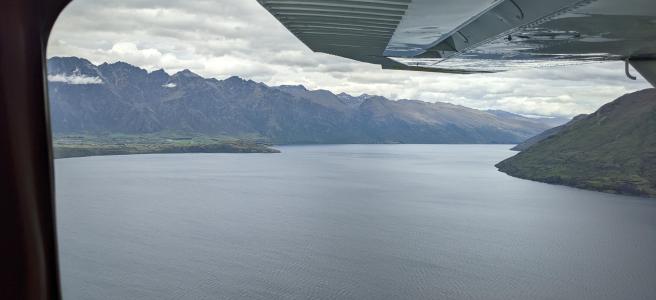
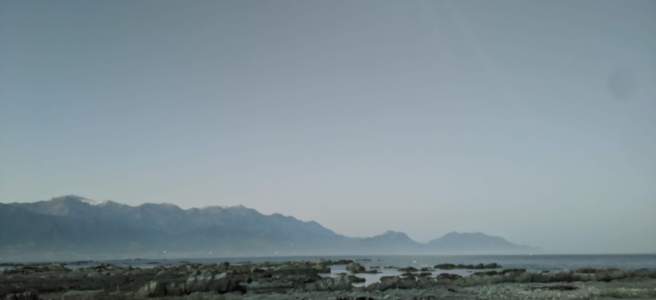
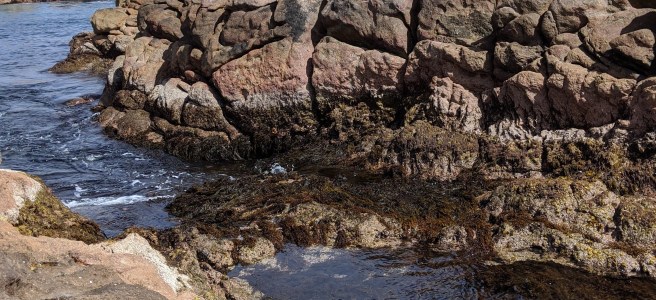
In late 2022 my partner and I took our long-awaited trip to New Zealand. It’s a land of incredible beauty, and we had some unforgettable experiences that I hope to remember forever. I am not saying by any means that experiences had alone are less valuable than shared ones – anyone who knows me knows that I need my alone time and my personal space – only that there was a virtuous cycle in that this amazing travel experience enriched our relationship, and that in turn deepened the impact the trip had on me as an individual.
In 2022 I started a tiny Youtube channel. I learned that I unexpectedly enjoyed the audience interactions on my videos as much as making the videos themselves. Responding to people’s comments and incorporating their suggestions into future videos made the whole thing more rewarding. It’s the flipside of the experience I had years ago when attempting to write novels. Having to work for months over something before another person could lay eyes on it, and having to commit to the entirety of a long story without incorporating any feedback was immensely draining and I never finished more than a first draft of anything.
The roleplaying games I participate in reinforce this. I get so much more joy out of telling stories and building worlds when I can do it incrementally and with friends that I like and trust. In the D&D game I run, I live for seeing the expressions on players’ faces when they uncover something, or their reactions when I describe how well they succeeded or how dismally they failed at something they attempted to do. This is what I think about and plan in my spare moments, this is what my mind drifts to when it’s vacant. I’ve spent so many years trying to find my “passion” when something I’m clearly passionate about has been staring me in the face all this time.
It’s delightful when I’m on the receiving end too. My best friends in the whole world put together a birthday RPG session for me, and throughout it all I felt loved: in how our characters riffed off of each other, in how the people running it took the unspoken but implied goals of my character and wove them into the story, in how we were able to spend 10 hours telling this story together. I want this to be a part of my life forever.
I read a lot about the experiences of digital nomads, because I’ve wanted to experience that lifestyle for some time, and the downside that I read about most often is the loss of connection, loss of friendship, and how quickly people move on when you’re not involved in their lives. I still want to travel extensively – the whole world is out there and I want to see different cultures and places. But I also want to make sure to maintain and honour the friendships I’ve built so far, to be there for those people so that we can continue to enrich each others’ lives.
Solitude is not the same as Loneliness. It’s vital that we are okay with spending time by ourselves, since it will only increase as our lives go on. However, I’ve realised how important it is to treasure and nurture the connections we have with those we love, so that when Eternal Darkness comes, we have the option, should we choose, to weather the storm together.
is that I cannot lose myself in a world of my own making.
I can create for others that which I’d love to experience myself, but I must hope that someone else can give me the immersion and the adventure I long for.
There are only two possible states for the mind to be in: internal reflection, or external focus. Internal reflection is what you typically consider thinking – you’re puzzling over something, figuring out to solve a problem, replaying a memory in your head, etc. External focus is when you turn a corner and a stunning view makes you gasp, or you really feel the warmth of someone’s skin on yours. Of course, the mind is almost always doing both of these things at once, but the reason I’m reducing the mind to these two states is because it’s really helpful to me in dealing with overthinking and anxiety.
When I get anxious, I start thinking about a past event or an imagined future (the only kind of future, really, right?). If it were just that, it might be fine. But my brain then goes and starts this cannibalistic recursion where I think about my own thoughts about something, endlessly imagine possible permutations, replay the same event over and over again… it’s a downward spiral. Sometimes I lose a lot of sleep over this because I just can’t stop. When I’m in this state, it’s impossible to divert the mind from anxious thinking to calm. No matter what, the anxious thoughts take priority and barge in again.
The only other option is to get the mind feeding on something that isn’t internal. The only other option is focusing on the sensory input that the body is sending in. Consider your heartbeat, or the mindfulness classic of your breathing. This is an endless stream of data, never static, always changing, and it’s something that the mind can do nothing about. It’s the biological equivalent of watching waves crash or a fire crackle. Ample fuel for the frenzied mind to consume, and it provides you with a real alternative to indulging those unwelcome thoughts.
It does take practice to learn to focus on those things instead of being led along by the mind. I and many others are unused to truly focusing on the present. This is what mindfulness teaches. I use Headspace, which costs money (though there is a free trial), but there are heaps of free options for guided meditation and mindfulness apps. I meditate for 10 minutes a day in the mornings before work, and then sometimes use a sleep meditation if I’m having a rough night. When I started, I did 5 minutes a day and skipped weekends. That’s all it takes.
I’ve heard a lot about meditation, with people claiming that it’s transformed their lives. It hasn’t quite been that impactful for me, but it’s a very significant tool in my battle for mental health. When I stop using it, I notice demonstrable, significant declines. When I pick it back up again, I find improvement. This post, as well as encouraging others to give it a try if you feel like it might help you, is a reminder to myself that even if I feel like it’s not helping, it’s definitely actually helping.
The past year has been one of great change for me, and yet not enough change. It’s been the first year where I’ve felt like I’ve started, started, to take an active role in shaping my life rather than just letting things happen to me.
I turned 28 yesterday. I did wonder if we should perhaps round our ages to the closest birthday – wouldn’t it be more accurate for me to tell people I was 28 for the six months preceding my birthday, and six months after, until I flipped over to the point where my next birthday was closer than my last one?
Anyway. Waking up. This last year I’ve allowed myself to think things that I wouldn’t have thought before. I’ve known for a long time that I don’t want the “normal” path through life of a suburban home, kids running around in the backyard, and putting on a buttoned shirt for my day job. I have been graced by utmost fortune in finding a life partner who doesn’t want these things either.
Let’s briefly review the most notable things that happened to this random internet stranger over the past year:
Firstly, I moved interstate, out of my own suburban home with a backyard and into renting an apartment with my partner. I’ve since gotten targeted ads on Instagram encouraging me to “escape the rent trap” and give myself back over to the mortgage hellhole. Let me be clear: I love living in an apartment. There’s no lawn to mow or weeds to pull, there’s no plants to water, no retaining walls or infernal bark chips or black tarp or pavers or paving liners. If I want nature, I can walk five minutes to the nearby lake and make googly eyes at all the adorable ducklings waddling around (I do this frequently). My suburban home is still sitting there in a different state, being rented out, giving someone else the same flexibility that we have now: if we get tired of the place in a year, we can go somewhere else. Freedom.
Secondly, I switched from working for a company of 500+ people where I was doing projects for defence and coal miners, to a startup where I’m one of 3 full-time employees. I’m contributing positively to the climate change disaster by building renewable energy storage systems instead of taking money from the soulless husks who are actively dooming the whole damn world. The fact that I was able to find a job like this in Australia of all places is something I’m incredibly grateful for.
It’s not enough, though. I don’t mean this in a greedy sense, but my career is something that I’m still very much figuring out, and is going to be my main focus for the year to come. I’ve opened my eyes, but I haven’t yet sat up or gotten out of bed. I’m so, so grateful that I’m not still asleep, letting myself be steered without taking part in the steering.
Thirdly, I dyed my hair blue. This seems minor compared to the previous two items, but it is the first time I have expressed myself through my personal appearance, and I love how I look with it. It’s another thing that my previous self and circumstances would not have allowed, and I hope to keep pushing the envelope on those things. Maybe a piercing next?
Fourthly, I started a second degree. This one will lead to no career progression or upskilling, but I hope to glean a sliver of wisdom from it. I’m studying philosophy. This represents a couple of things: one, that I’m allowing myself to study something just because I’m interested in it, and two, that I’ve sufficiently come to terms with my loss of faith from a few years ago that I’m ready to venture into vaguely related areas again. I’m only doing it part time since I’m working at the same time, but that’s plenty. So far my studies have focused on ancient philosophy, since it serves as a grounding for most of what came after, but we’ve also covered basic concepts of social justice and applied it to modern day problems of immigration, wealth distribution, and climate change. I’ve also spent a fair bit of time on critical thinking skills, and analysing written and visual arguments to extract their rational core. This last in particular I have loved.
Fifthly, I’ve started working with a professional life coach. I hope to use this to accelerate the waking up process and get to the point of taking charge of my life quicker, but I need to be wary of outsourcing my progress to my life coach and using her as a crutch. I doubt that will happen, but it’s noteworthy.
Sixthly (is that a word?), I’ve taken up the new hobbies of competitive axe throwing and sailing. Neither of these things are things I ever thought I’d do, but there you go. Axe throwing is just a plain bit of fun and makes you feel like a viking, while yacht racing/general sailing is a gesture towards my increasing desire for freedom in all aspects of life. Contrary to what you might think, you can get sailing experience for free/very cheap, at least here in WA. Owning a boat is expensive, but sailing itself is not.
Seventhly(!), in the very last days of the previous year, my partner and I sat down and crunched a bunch of numbers regarding our finances. Yes, boring, I know, but the results indicate that in 20-25 years… we could stop working if we wanted to. This is of course barring any disasters that occur, but the thought that I could be free by my late forties or early fifties is… well, it’s something. It’s a timeframe. I’m not going to say it’s comforting. Whether by design or emergent property, it seems that you need at minimum a couple decades of solid income and solid investment to accomplish something like this in modern day capitalism, provided you’re not starting with vast sums of money, which we aren’t. The trick now becomes not to squander away or sacrifice the next two decades, because that end date may never come, but to live a varied and full life, and strike a balance between investing in our future, spending to live it up now, and using our money to improve the world.
In between all this, my search for purpose continues. By practically all accounts it’s been an incredible year in retrospect. I’m on vacation until next week, and I’ve noticed that every year, being buried under the tumult of work along with all the activities described above means that it is a lot harder to actually reflect and plan ahead. So I thought I’d write this while my head is above the water, so that I can look back and appreciate all the progress I’ve made.
A key reflection point for me actually occurred on NYE, where we were all doing a few of those shitty personality quizzes for fun. One of the questions was “Which of these do you find most important?”. There were four options, but the two I remember were “knowledge” and “freedom”. I remember these because in the past, maybe even up to a year ago, I would have instantly chosen knowledge. Intelligence and knowledge were unquestionably the most valuable traits to me. This time, however, I chose freedom and was happy with my choice. I’ve undergone a fundamental shift of perspective over the past twelve months, and I’ve finally given myself permission to do so.
What is it that the child has to teach?
The child naively believes that everything should be fair and everyone should be honest, that only good should prevail, that everybody should have what they want and there should be no pain or sadness.
The child believes the world should be perfect and is outraged to discover it is not.
And the child is right.
Rabbi Tzvi Freeman
Optional addendum: a note about the pandemic
For those of us in the first world, the whole pandemic situation has been seemingly unprecedented. The counting death tolls, the daily drama, the lockdowns, the incredible vaccine development speed… we’ve all reacted like this has never happened before, and maybe it hasn’t, not on this scale. But remember that while the first world may have had its first share of this sort of situation in centuries, people in third world countries continue to struggle with the likes of malaria and ebola. Even the freaking bubonic plague is still kicking around. We’ve had the Siddharta Gautama experience of shock at seeing a sick man, a corpse, for the first time. Our poorer neighbours have to live with terrible sickness daily and worse besides, and have done even when we were healthy.

 Dominik Jarco